
Napa Valley Conditions
What to Do When Ash or Smoke Debris Gets Into Your Pool
Windblown ash can cloud the water, load the filter, and shift chemistry. A measured cleanup protects the pool without spreading ash or putting equipment under unnecessary strain.
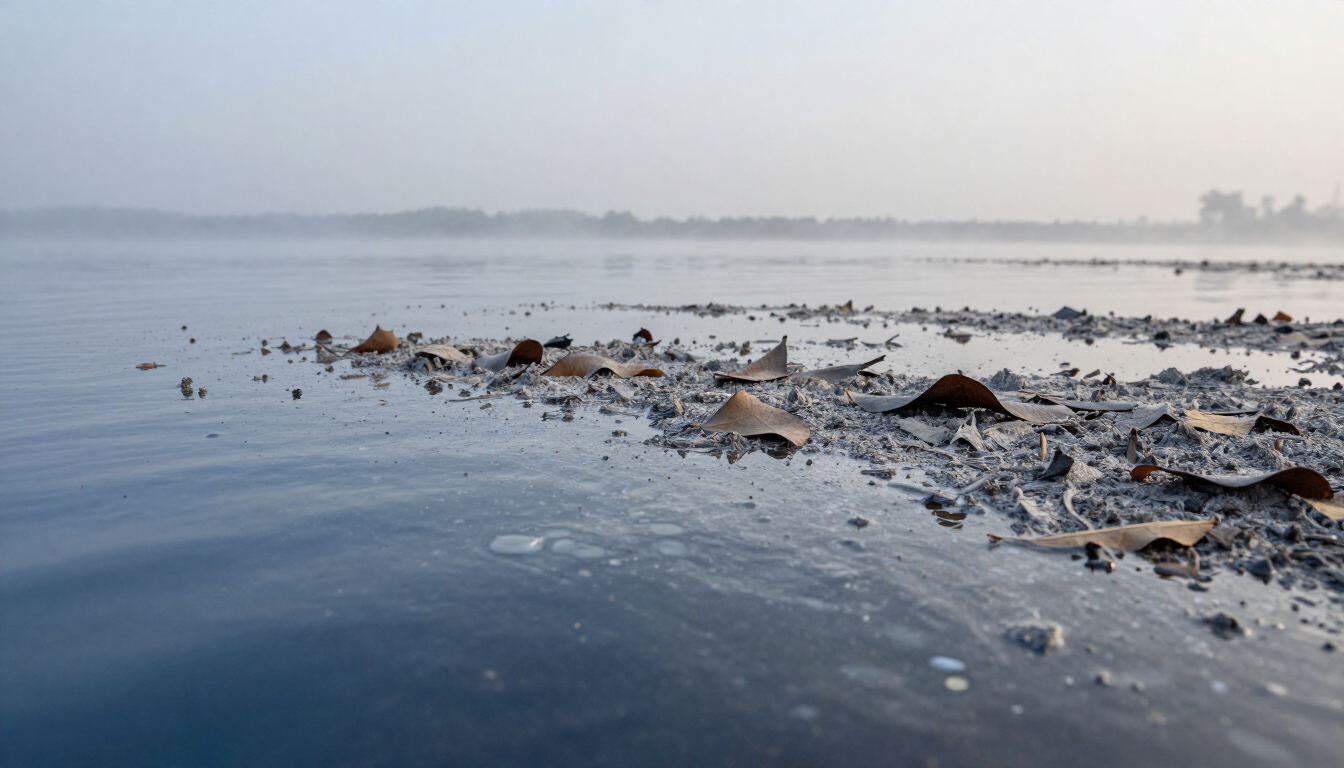
Even when a fire is not immediately next to a property, smoke and ash can travel and settle across decks, covers, landscaping, and pool water. The amount and type of debris matter. Light plant ash from a distant event is different from heavy ash or debris from a burned structure, which may contain hazardous substances. When ordinary debris overwhelms routine care, a dedicated pool cleanup service can restore the water methodically.
Keep people and pets out of the water
Do not use the pool simply because the bottom is still visible. Fine material can affect chemistry and filtration, and unknown debris should be evaluated before the pool returns to use. Close the area until the water has been cleaned, balanced, and confirmed ready.
Remove surface material gently
Use a skimmer net to lift leaves and floating debris rather than stirring it through the water. Clean nearby hard surfaces with methods that minimize airborne dust. Do not use a leaf blower to push ash toward or away from the pool; it can put fine particles back into the air and send more material into the water.
Inspect baskets, filter pressure, and circulation
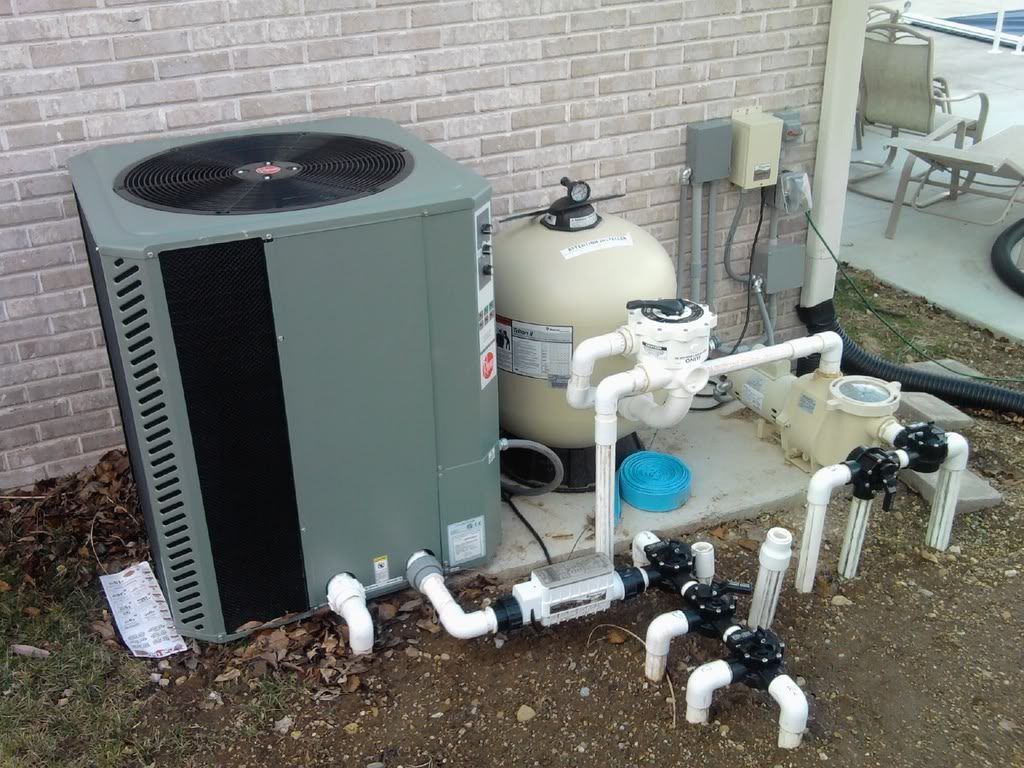
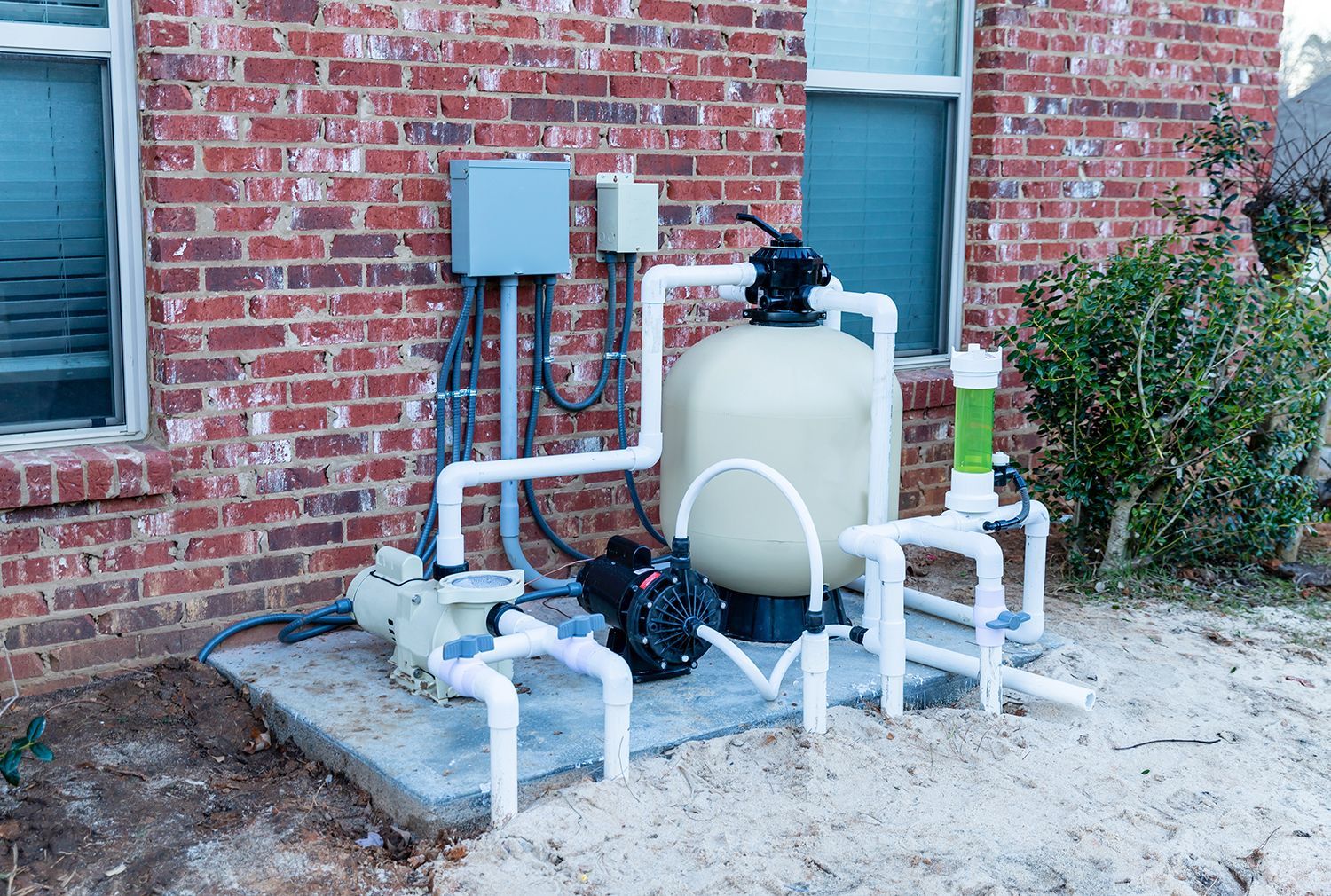
Ash can collect quickly in skimmer baskets, pump baskets, cleaners, and filter media. Note the clean starting pressure of the filter and monitor it during cleanup. If pressure rises beyond the manufacturer’s recommended range, the filter may need to be backwashed or cleaned according to its type and instructions. Persistent flow problems may require equipment inspection or repair.
Filter tanks are pressurized equipment. Turn off power, relieve pressure, and follow the manufacturer’s procedure before opening any filter. When the contamination is heavy or the equipment is unfamiliar, use a qualified pool professional.
Test the water before adding chemicals
Ash can affect pH and create additional sanitizer demand. A complete test should guide any chemical correction. The goal is not to throw several products into the pool at once; it is to restore balance in a controlled order while maintaining effective filtration.
A careful response sequence
- Restrict access to the pool and evaluate what entered it.
- Remove larger floating debris without creating dust.
- Empty baskets and confirm that circulation is operating normally.
- Test sanitizer, pH, and the broader water balance.
- Filter the water and clean the filter as its pressure and condition require.
- Brush and vacuum settled material using the appropriate equipment.
- Retest the water before reopening the pool.
Avoid draining the pool without a plan
Draining is not automatically the best solution and can create structural, environmental, and disposal problems. Contaminated pool water should never be released into a street, storm drain, or surface water. If the water cannot be restored through normal treatment and filtration, obtain professional guidance on testing, discharge rules, and safe next steps.
After the water clears
Continue watching filter pressure and chemistry for several visits. Fine material can remain in circulation or settle in areas that are easy to miss. Clean covers, decks, furniture, and surrounding surfaces carefully so the next wind does not return the debris to the pool.
Need help restoring your pool after smoky conditions?
We can inspect the water and equipment, develop a cleanup plan, and help determine whether standard service or a more specialized response is appropriate.
Request an Evaluation