
Water Chemistry
How Napa Heat and Evaporation Affect Pool Water
Warm, dry weather can change a pool faster than many homeowners expect. Knowing what evaporation does—and does not do—makes summer pool care much easier.
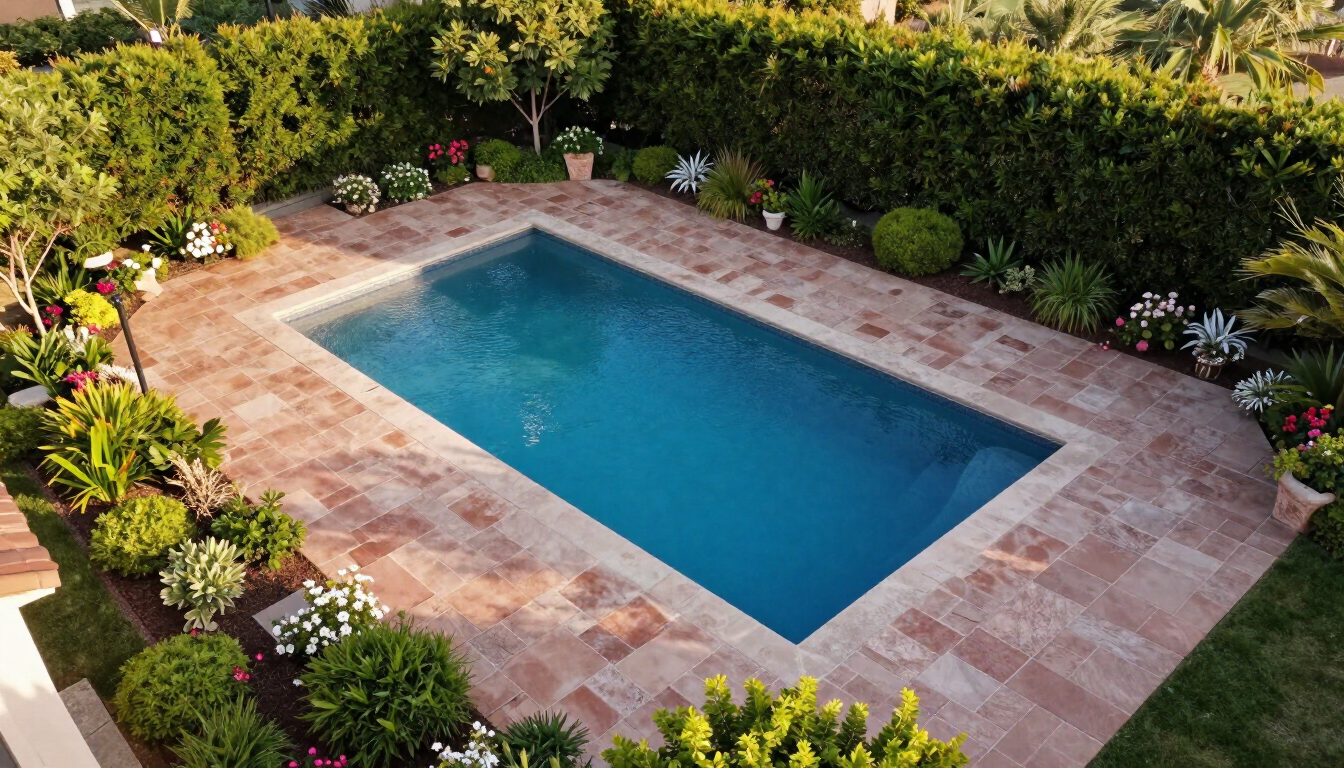
During a stretch of hot Napa Valley weather, a pool can lose a noticeable amount of water. Sun, low humidity, wind, warm water, waterfalls, spa spillways, and heavy swimming can all increase evaporation. That water loss affects more than the fill line: it changes how the pool is operated and can make existing chemistry or equipment problems more visible.
Evaporation removes water, not dissolved material
When water evaporates, most dissolved minerals and salts remain in the pool. Repeated evaporation and refilling can gradually increase calcium hardness and total dissolved solids, depending on the source water and products used. That is one reason a pool may develop scale even though fresh water is added regularly.
Sanitizer behaves differently. Sunlight can reduce available chlorine, while warmer water and increased swimmer use can raise chlorine demand. The combination means a pool that stayed stable in spring may need closer observation during a hot summer week.
Keep the water at a safe operating level
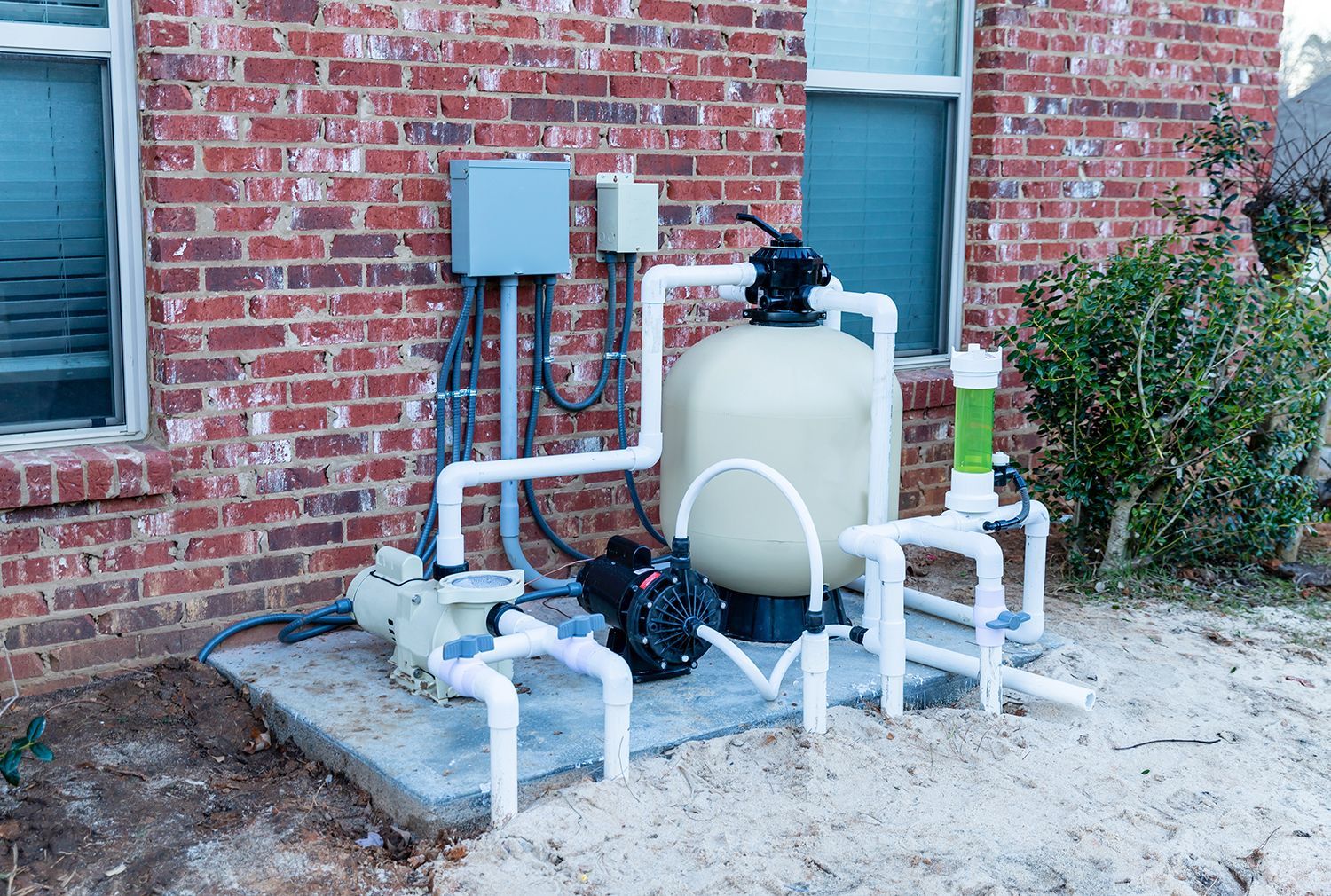
When the level falls below the skimmer opening, the pump may begin pulling air. Symptoms can include bubbles at the returns, a pump basket that will not stay full, weak circulation, or loss of prime. Allowing a pump to run without adequate water can damage seals and other components.
An autofill can help, but it should not make water use invisible. A stuck autofill may waste water, and an autofill can mask a plumbing or structural leak by continuously replacing what is lost.
Warm weather changes the maintenance rhythm
- Test more often. Sanitizer and pH can move faster during heat, heavy use, or after a refill.
- Watch circulation. Proper run time and clean baskets help distribute sanitizer and remove debris.
- Brush vulnerable areas. Steps, shelves, corners, and shaded surfaces can show early algae growth.
- Track the fill pattern. Note how often water is added so unusual loss is easier to recognize.
- Use a cover when practical. A properly used pool cover can reduce evaporation, although it must fit the pool and be handled safely.
Do not correct summer problems with guesswork
Adding extra chlorine without testing may not solve the cause of cloudy water or algae. Poor circulation, a dirty filter, high stabilizer, imbalanced pH, debris, or insufficient operating time can all contribute. The right response begins with a complete water test, a quick review of the equipment, and—when conditions have already deteriorated—professional pool cleanup.
Plan for the hottest part of the season
Summer care should be proactive. Confirm the pump schedule, keep the filter within its normal pressure range, maintain the correct water level, and have the chemistry checked consistently. If the pool has an attached spa, water features, large sun exposure, or frequent guests, it may need a more active plan than a shaded, lightly used pool.
Keep your pool clear through Napa’s warm season
We can evaluate water balance, circulation, and the service schedule before heat turns a small issue into a larger cleanup.
Schedule Pool Service