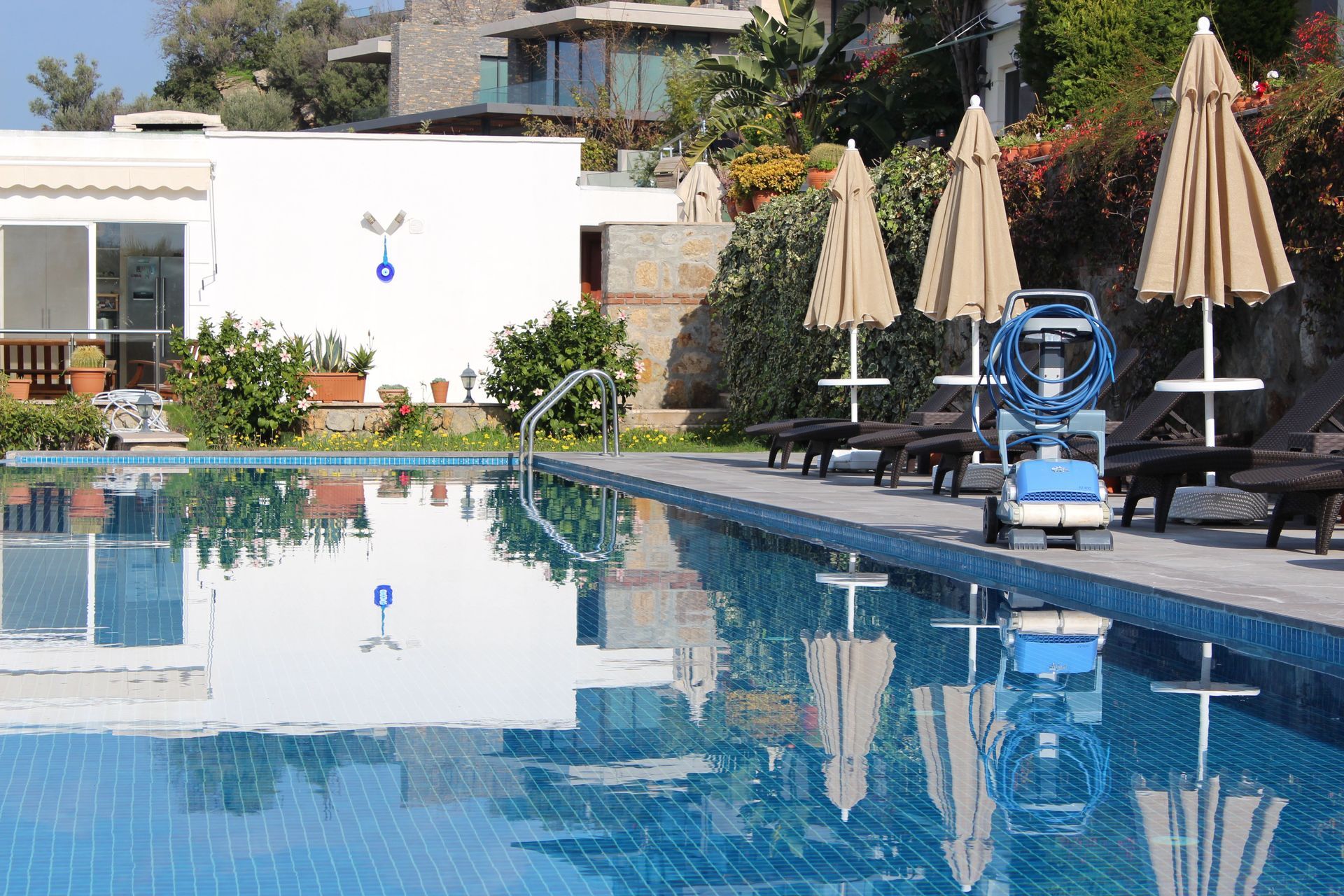

Pool Equipment
Choosing Between Pool Equipment Repair and Replacement
The lowest estimate today is not always the lowest-cost decision. A useful comparison considers the failed part, the rest of the equipment, operating cost, compatibility, and expected life.
When a pump, filter, heater, cleaner, sanitizer, or automation component fails, homeowners are often asked to choose quickly. Professional pool equipment repair may preserve equipment that still has years of service left. Replacement may reduce repeated failures and provide a better long-term result. The right choice depends on the specific failure and the system around it.
Start with a real diagnosis
A symptom does not always identify the failed component. Weak flow could come from a dirty filter, blocked basket, air leak, valve position, impeller obstruction, or pump problem. A heater error may begin with inadequate flow rather than the heater itself. Before comparing prices, confirm what failed and why.
When repair is often reasonable
- The equipment is otherwise in good condition.
- The failed part is available and carries a useful warranty.
- The repair is a modest portion of replacement cost.
- The unit fits the pool and has not developed repeated problems.
- A seal, sensor, O-ring, fitting, switch, or other serviceable component caused the failure.
A good repair restores normal operation; it should not merely silence an error long enough for another related part to fail.
When replacement deserves serious consideration
- The housing, tank, heat exchanger, or other major structure is cracked or corroded.
- Parts are obsolete, difficult to source, or unusually expensive.
- The equipment has needed several repairs in a short period.
- The repair cost is high relative to a properly installed replacement.
- The existing unit is incorrectly sized or incompatible with other equipment.
- A newer option would materially improve control, noise, energy use, or reliability.
Compare total installed cost
The price of the equipment is only one line. Replacement may require plumbing changes, electrical work, gas-line review, permits, bonding, valves, automation integration, a new pad layout, or removal of the old unit. Ask what is included so two proposals can be compared fairly.
Efficiency matters—but calculate it honestly
A variable-speed pump or properly selected heater may lower operating cost, but savings depend on how the pool is programmed and used. Oversized equipment, excessive speed, or poor scheduling can erase some of the benefit. Request a recommendation based on pool volume, plumbing, features, and desired performance rather than choosing only by horsepower or advertised efficiency.
Questions worth asking
- What exactly failed, and what evidence supports the diagnosis?
- What is the age and overall condition of the unit?
- Are parts readily available?
- What warranty applies to the repair and to a replacement?
- What related work is included in the installed price?
- Will the replacement communicate with existing automation?
- What operating or maintenance difference should the owner expect?
Do not replace a system blindly
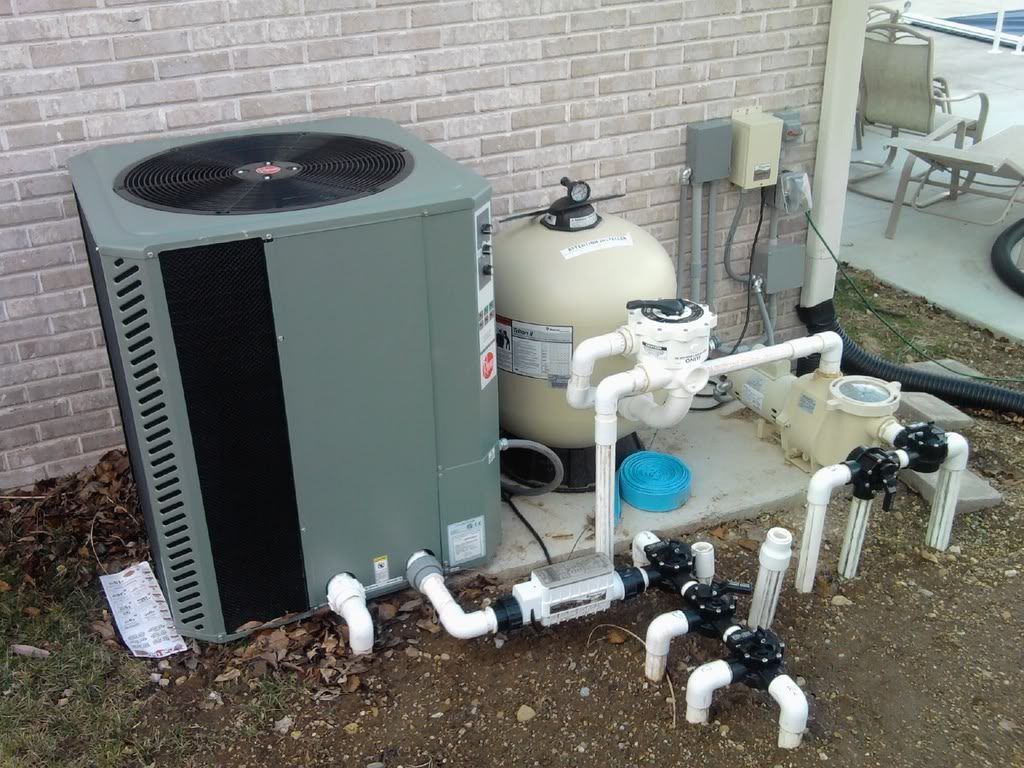
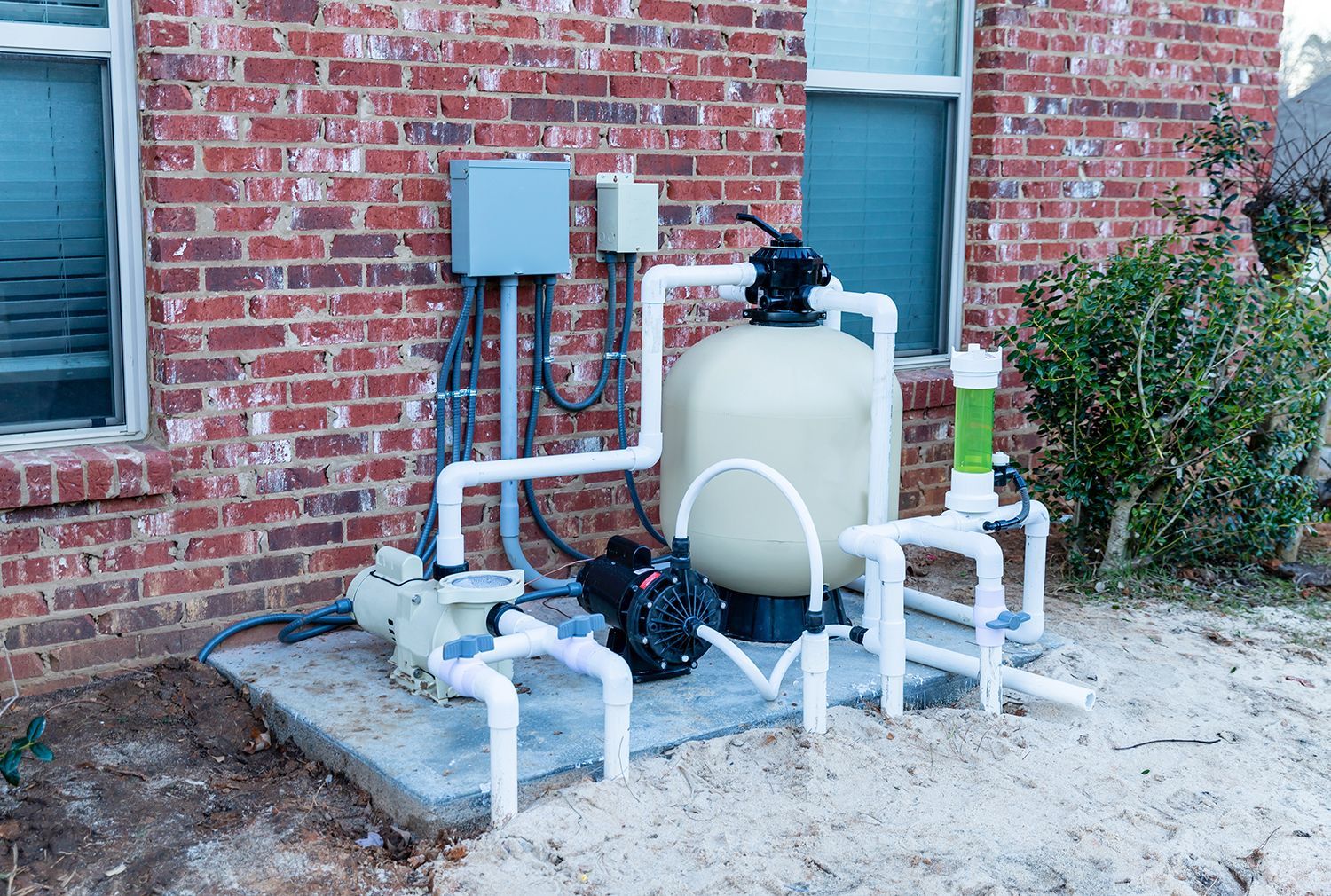
Replacing one component without checking the rest of the system can create new problems. A larger pump may exceed the filter’s design flow. A heater may need a particular minimum flow or gas supply. Automation may require compatible controls. The best proposal treats the equipment pad as an integrated system.
Need a clear repair-or-replace recommendation?
We can inspect the equipment, explain the failure, and compare practical options without making the decision more complicated than it needs to be.
Request an Equipment Evaluation