
Repairs
Pool Heater Problems to Watch Before Cooler Weather
A heater that worked in summer may fail when it is needed most. An early seasonal check can reveal flow, ignition, electrical, or heat-exchanger problems before cooler evenings arrive.
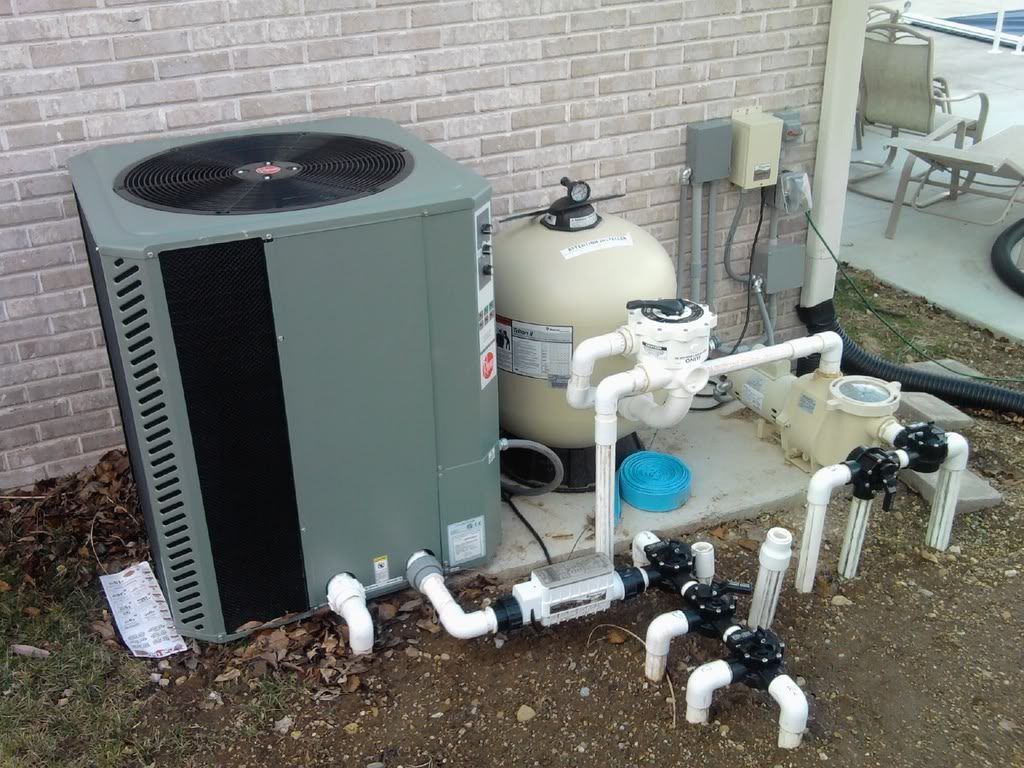
Pool heaters often sit unused or run only occasionally during the warmest months. When cooler weather arrives, homeowners may discover that the heater will not start, shuts down after a few minutes, or takes much longer than expected. Testing it early leaves time for equipment diagnosis and repair without disrupting a planned swim or spa evening.
The heater will not start
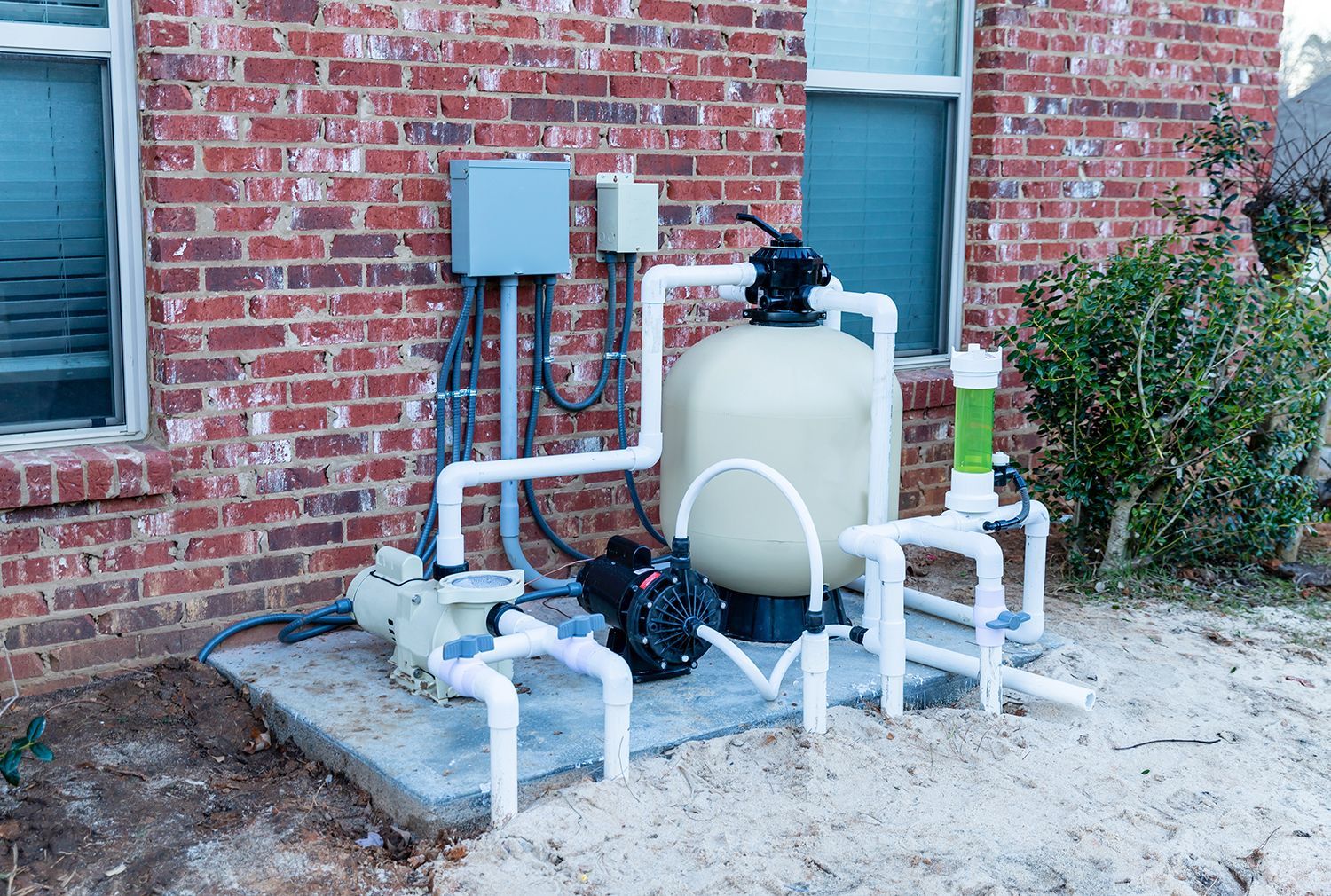
Start with the basics: confirm the circulation pump is running, valves are in the correct position, the filter is not excessively dirty, the thermostat is set above the current water temperature, and the heater has power or fuel. Modern heaters rely on safety switches and sensors; insufficient water flow alone may prevent ignition.
If the display shows an error code, write it down before resetting anything. A code is a diagnostic clue, not always a complete diagnosis.
Short cycling or repeated shutdowns
A heater that starts and stops repeatedly may have inadequate flow, a sensor problem, an obstruction, scale, venting trouble, or another safety condition. Continuing to restart it can make the underlying problem worse. The system should be evaluated, particularly if there is soot, a strong odor, unusual flame behavior, or a combustion-related code.
Slow heating or unexpected fuel use
Heating time depends on pool volume, starting temperature, target temperature, ambient conditions, wind, heater output, plumbing, and whether a cover is used. A sudden change from the heater’s normal performance is more important than a generic number of degrees per hour. Dirty filters, bypass-valve problems, scale, and equipment wear can all reduce effective heating.
Leaks, corrosion, or moisture
Water beneath the heater may come from plumbing, condensation, a pressure-relief component, or the heat exchanger. Rust, mineral deposits, soot, melted wiring, or damage from rodents should be inspected promptly. A leaking heat exchanger can require major repair or replacement.
Pre-season heater check
- Clear leaves and debris from the equipment area without blocking ventilation.
- Confirm normal pump flow and filter pressure.
- Inspect visible plumbing for drips or mineral buildup.
- Test the heater before the first cold weekend.
- Record error codes and unusual sounds.
- Check that automation reports the correct water temperature.
- Use an appropriate cover to reduce heat loss when practical.
Know when to stop
Gas, combustion, high voltage, and pressurized water make heater repair a professional task. Shut the unit down and arrange service if you smell gas, see soot, hear a small explosion or delayed ignition, notice scorched wiring, or repeatedly trip a breaker. Do not bypass a safety switch to force operation.
Repair or replace the heater?
A sensor, switch, igniter, or flow problem may be practical to repair. Replacement becomes more attractive when the heat exchanger has failed, corrosion is extensive, parts are obsolete, the heater has repeated problems, or a properly sized newer unit would better match how the pool and spa are used. The decision should include installation requirements and compatibility with the existing gas, electrical, plumbing, and automation systems.
Test your heater before you need it
Napa Pool Service can evaluate common heater and circulation problems and explain the most practical next step.
Request Heater Service