
Weekly Pool Care
How Second-Home Owners Can Keep a Napa Pool Maintained
A pool does not pause when the house is empty. Consistent service, remote visibility, and a clear response plan help protect the property between visits.
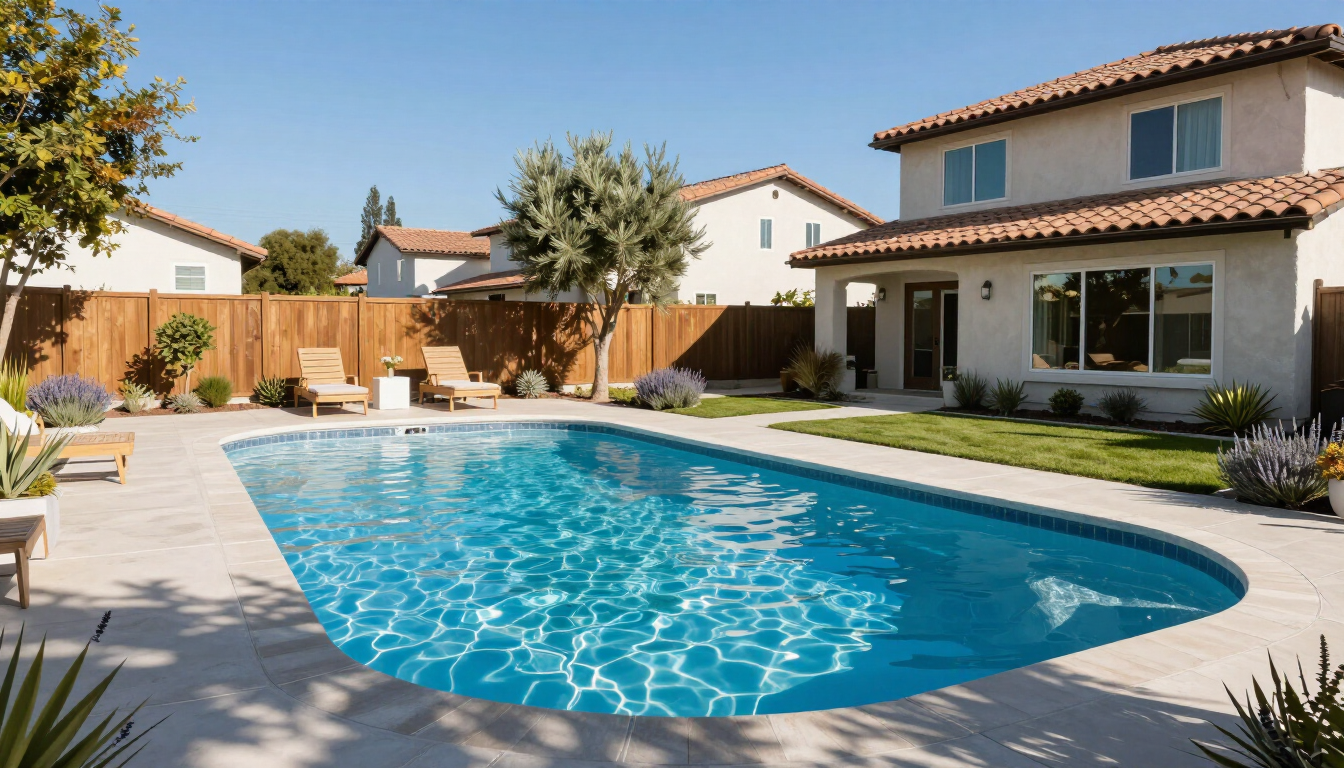
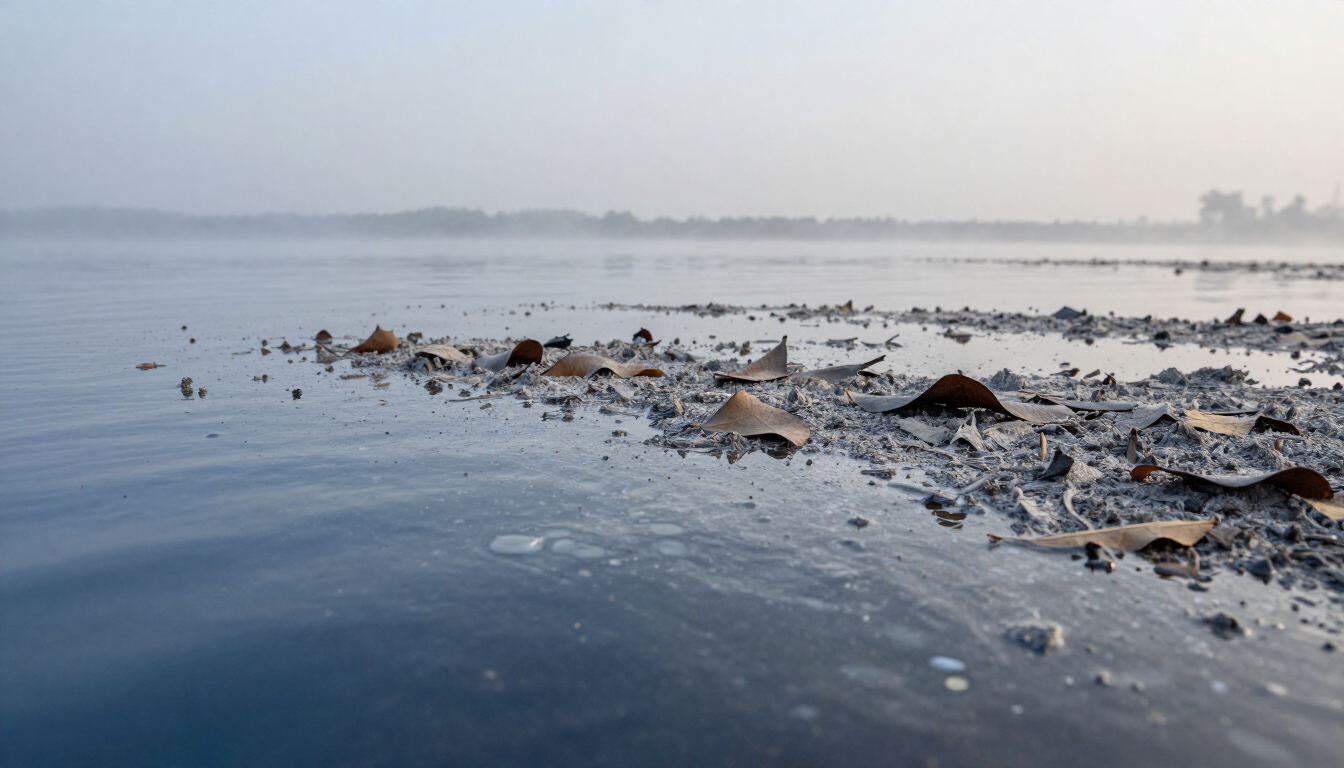
Second homes create a different pool-care challenge. No one may be present to notice a pump that sounds wrong, a water level that is falling, a cleaner stuck on a step, or storm debris collecting in the skimmer. By the time the owner returns, a minor issue may have affected the water, equipment, deck, or landscaping.
The solution is not simply adding more chemicals. It is building a maintenance and communication system that keeps the pool observable while the property is unoccupied.
Keep weekly service consistent
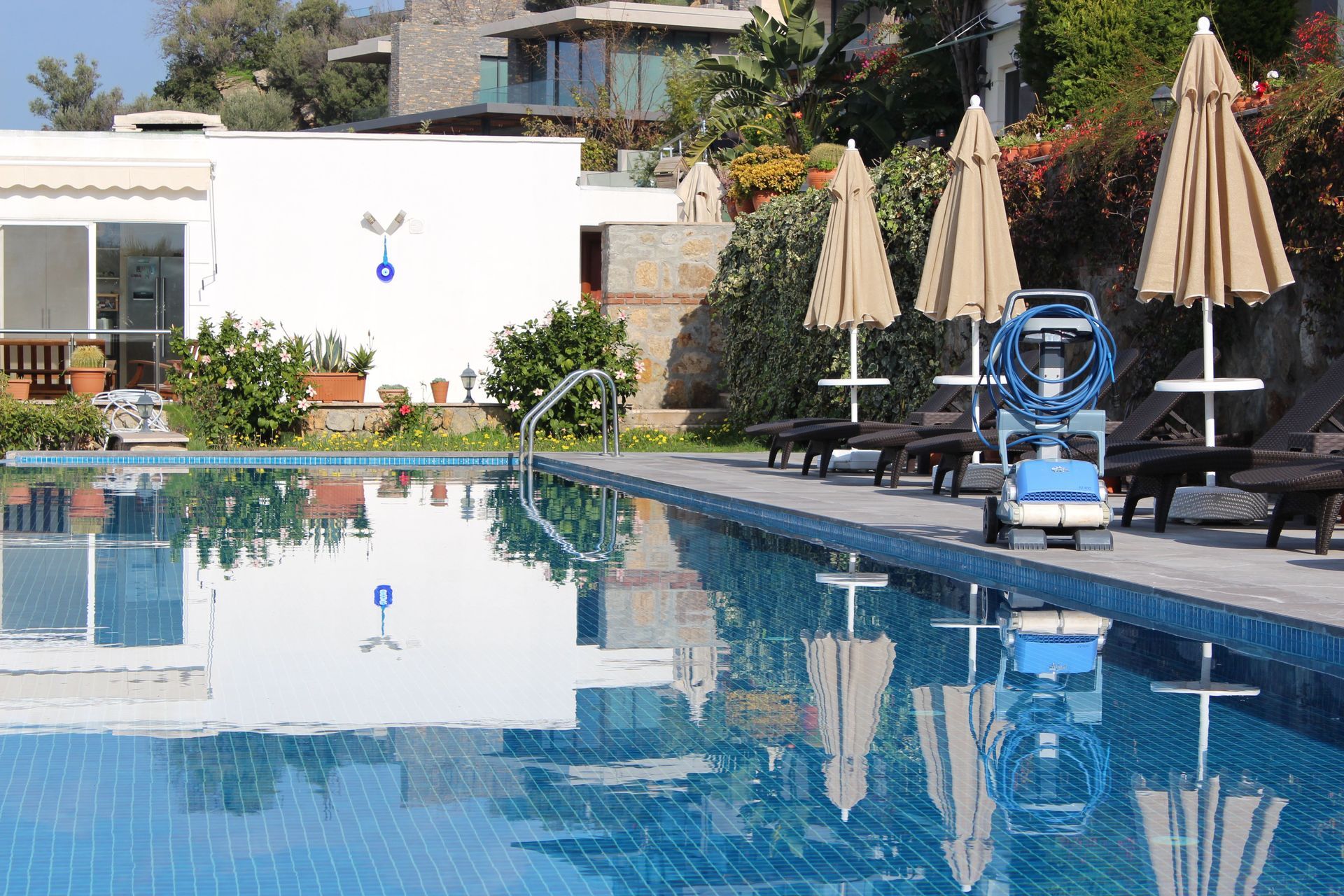
Professional weekly pool service should include water testing and balance, surface cleaning, basket service, brushing, and a basic equipment inspection. Consistency matters because the technician becomes familiar with the pool’s normal pressure, sound, water level, and chemical demand. Changes are easier to recognize when there is a reliable baseline.
Ask for useful service documentation
A completed-visit notice can confirm that service occurred and summarize anything outside the normal routine. Photos are particularly useful after storms, high winds, smoke, a repair, or a period of heavy debris. The goal is concise, actionable communication—not a stream of alerts that gives the owner no idea what requires attention.
Define repair authorization in advance
Discuss who can approve work, what dollar amount requires a call, and who should be contacted if the owner cannot be reached. A small emergency threshold may allow the service company to address an overflowing autofill, failed pump seal, or other time-sensitive issue before it causes additional damage. Larger repairs should still be documented and approved.
Use automation as a tool, not a substitute
Modern pool controls can help an owner review schedules, temperature, and certain equipment alerts. Leak sensors or exterior cameras may provide additional visibility. These systems are valuable, but they cannot brush a step, remove a blocked basket, verify a chemical reading, or catch every physical problem. Remote monitoring works best alongside hands-on service.
Before leaving the property
- Confirm the service schedule and current contact information.
- Check the autofill and normal water level.
- Review pump, heater, cleaner, and lighting schedules.
- Secure gates, covers, and equipment-area access.
- Remove loose items that could blow into the pool.
- Share guest, contractor, or landscaping dates that may affect the water.
- Establish repair-approval and emergency-contact procedures.
Plan for arrivals and extended absences
If the home will host guests, arrange a pre-arrival check so the heater, spa, lights, and automation can be tested before they are needed. If the property will be vacant for a longer period, the service schedule may need seasonal adjustments, but it generally should not be stopped. Pools still collect debris, lose water, consume sanitizer, and operate equipment when no one is swimming.
Coordinate work around the pool
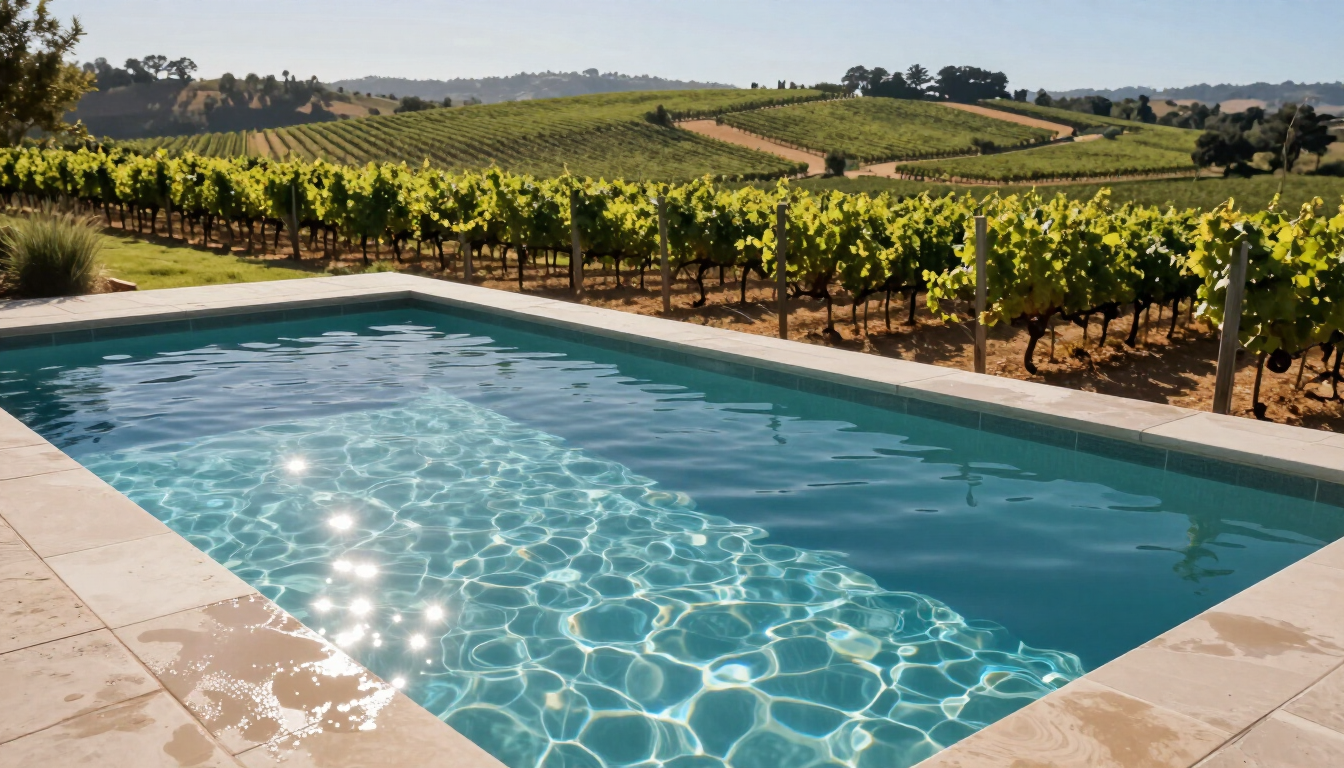
Landscaping, pressure washing, construction, wine-country dust, and outdoor events can all change the debris load. Give the pool company notice when contractors will work nearby. Covering, extra filtration, or a follow-up visit may be appropriate depending on the project.
Maintain your Napa pool while you are away
We provide consistent pool care and straightforward reporting for second-home owners across Napa Valley.
Discuss a Service Plan