
Pool Equipment
Pool Filter Cleaning: How Often Is It Needed?
The right cleaning interval depends on the filter, pool, and debris load. The pressure gauge and water flow usually tell a better story than the calendar alone.
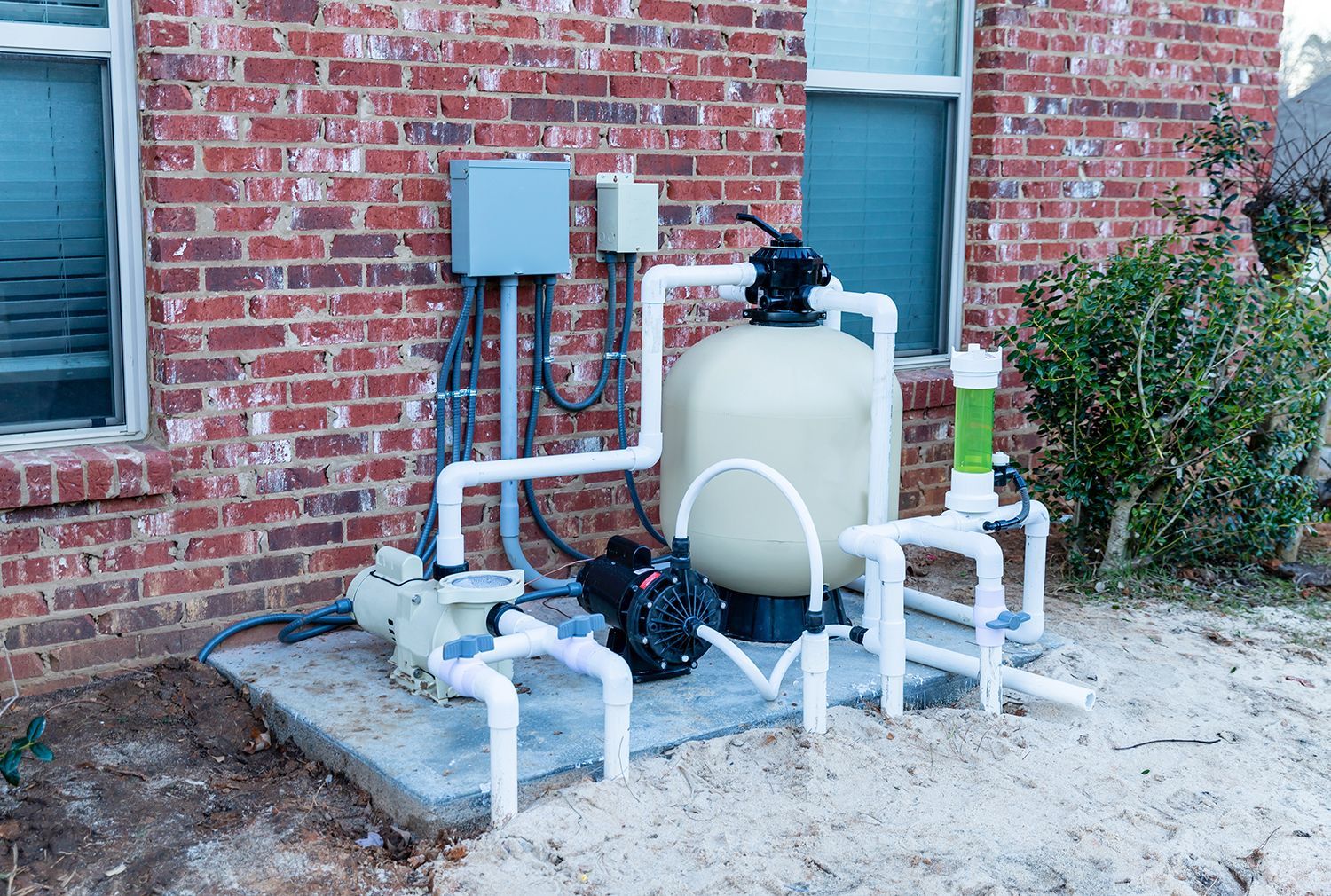
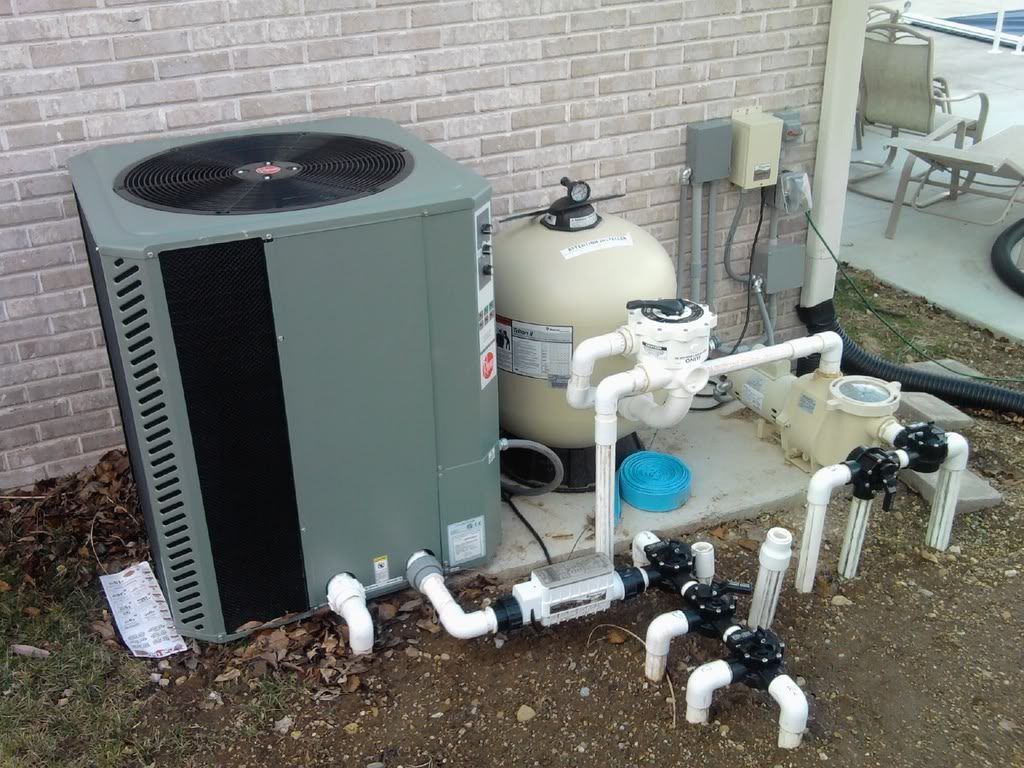
A pool filter captures the fine material that skimming and brushing cannot remove. As dirt collects, resistance increases and water flow can fall. If the filter is neglected, circulation, heating, cleaning, and sanitizer distribution may all suffer. Proper filter observation is therefore an important part of weekly pool maintenance.
Start with the clean pressure
After a filter has been properly cleaned and the system is operating normally, note the pressure shown on the gauge. That is the pool’s clean baseline. Many manufacturers recommend service after pressure rises a specified amount above that baseline; one common cartridge-filter benchmark is approximately 10 psi, but the correct trigger is the one in the specific filter’s manual.
Pressure is only useful if the gauge works. When the pump is off and the system is fully relieved, the gauge should return to zero. A damaged, unreadable, or inaccurate gauge should be replaced.
Cartridge filters
Cartridge elements are removed and rinsed according to the manufacturer’s procedure. The interval may range from several weeks to several months depending on filter size, landscaping, pool use, pollen, wildfire residue, algae cleanup, and whether the pool has a functioning cleaner. Torn fabric, crushed pleats, broken bands, or end-cap damage can indicate that the cartridge needs replacement rather than another cleaning.
D.E. filters
Diatomaceous earth filters are generally backwashed when pressure indicates the need, then recharged with the correct amount and type of filter media. Periodic internal cleaning is also needed because backwashing does not remove every deposit. Grids should be inspected for tears or damage that could allow media to return to the pool.
Sand filters
Sand filters are normally backwashed when pressure rises or flow declines. The sand itself can last for years, but channeling, scale, damaged internal components, or the wrong backwashing routine can reduce performance. Cloudy water that persists despite balanced chemistry may justify a closer evaluation.
Conditions that shorten the interval
- Heavy leaf, pollen, or dust exposure
- A recent algae or cloudy-water cleanup
- Construction or landscaping near the pool
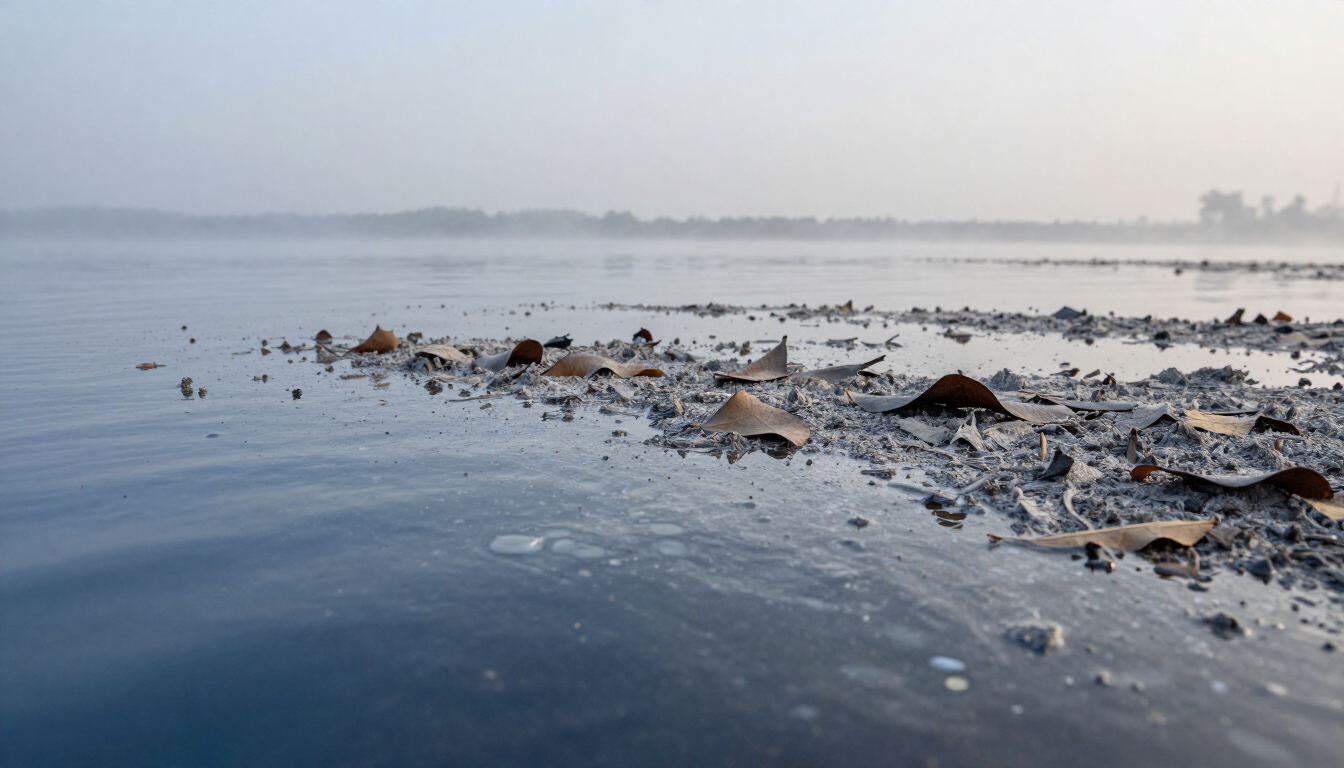
- Ash or windblown debris
- Frequent swimming or a high bather load
- An undersized filter or unusually short run cycle
Signs the filter needs attention
Watch for pressure above the normal clean reading, weak return flow, poor suction at the cleaner, longer heating time, recurring cloudiness, or debris returning through the jets. Very low pressure can also signal a problem, but it may be caused by a full basket, low water, air leak, obstruction, or a pump issue that needs equipment repair rather than filter cleaning.
Use a pool-specific schedule
A large filter on a lightly used pool may go much longer between cleanings than a small filter beside mature trees. Record the date, clean pressure, and condition after service. Over time, that history becomes the most reliable guide for the property.
Not sure whether the filter is due?
We can identify the filter type, check its pressure and condition, and recommend a maintenance interval based on the actual pool.
Schedule Filter Service